
AirMason + Gusto
Gusto handles your payroll and benefits. AirMason takes your employee handbook further than Gusto's built-in tools can go. Please keep in mind requirements may vary based on company size, industry, location, and workforce composition.






What Gusto Does Well
Gusto is a popular payroll and HR platform built for small and mid-sized businesses. Founded in 2011, Gusto serves over 300,000 businesses and is known for making payroll, benefits, and basic HR tasks approachable for teams without a dedicated HR department.
Gusto does include a basic handbook builder as part of its platform. It offers state-specific templates and covers foundational policies that small businesses need. For companies just getting started with a handbook, Gusto's tool is a reasonable starting point. However, it has limitations in design customization, compliance depth, analytics, and scalability that become apparent as organizations grow.
Where AirMason Goes Deeper Than Gusto's Handbook Builder
Gusto deserves credit for including a handbook builder in its platform. Many HRIS providers do not offer one at all. But Gusto's handbook tool is designed to get small businesses started with the basics. It is template-driven, offers limited design flexibility, and does not provide the compliance depth or engagement analytics that growing organizations need.
AirMason is a dedicated handbook platform. It is built to handle the full lifecycle of handbook management: creation, design, compliance, distribution, tracking, and updates. For Gusto customers who have outgrown the built-in tool or need features it does not offer, AirMason fills those gaps while keeping Gusto as the payroll and benefits backbone.
City-Level Compliance
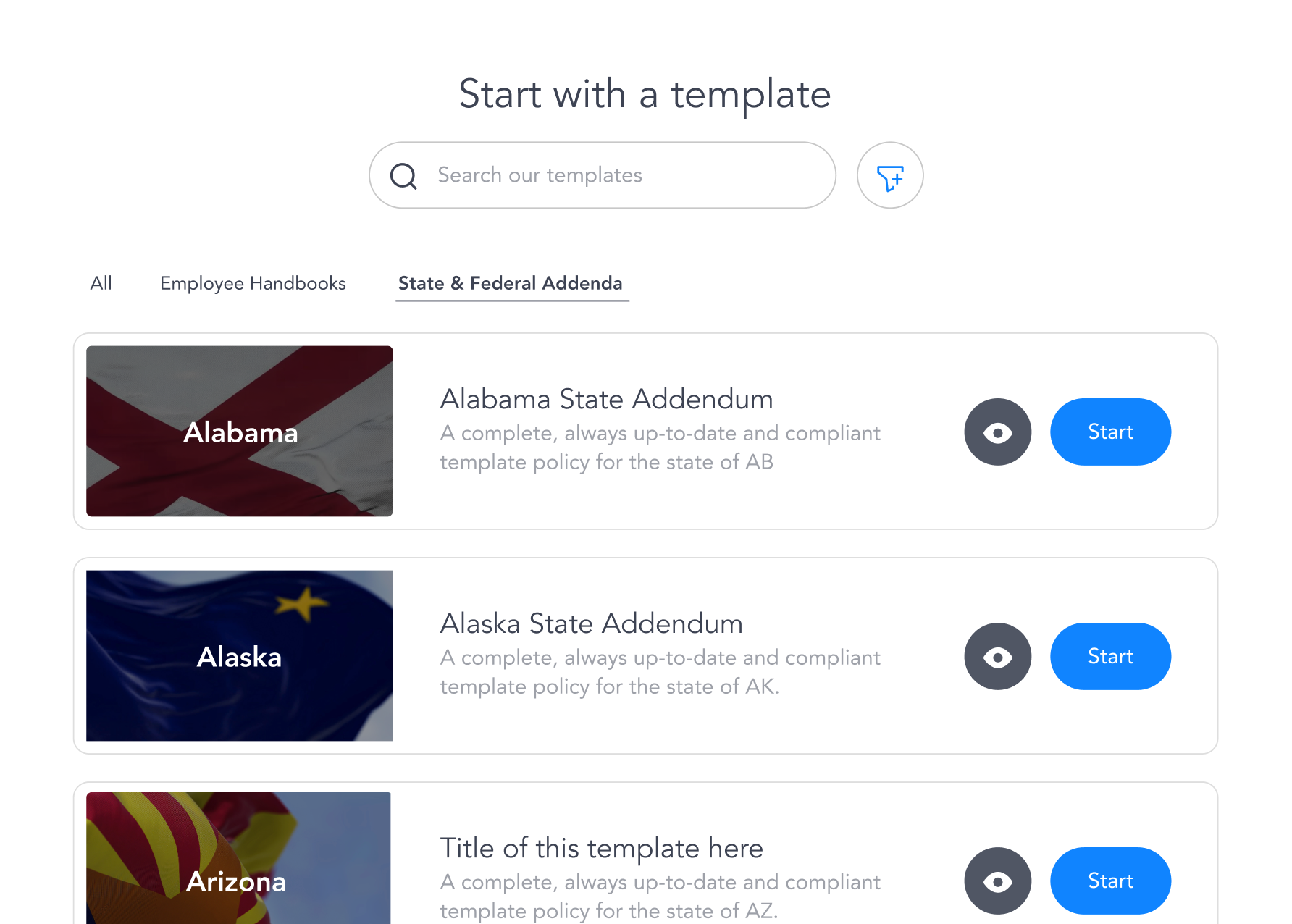
Gusto's handbook builder covers state-level policies. AirMason goes further with city-level compliance tracking across hundreds of municipalities. This matters for businesses with employees in cities like New York, San Francisco, or Chicago that have their own employment regulations.
Full Design Control
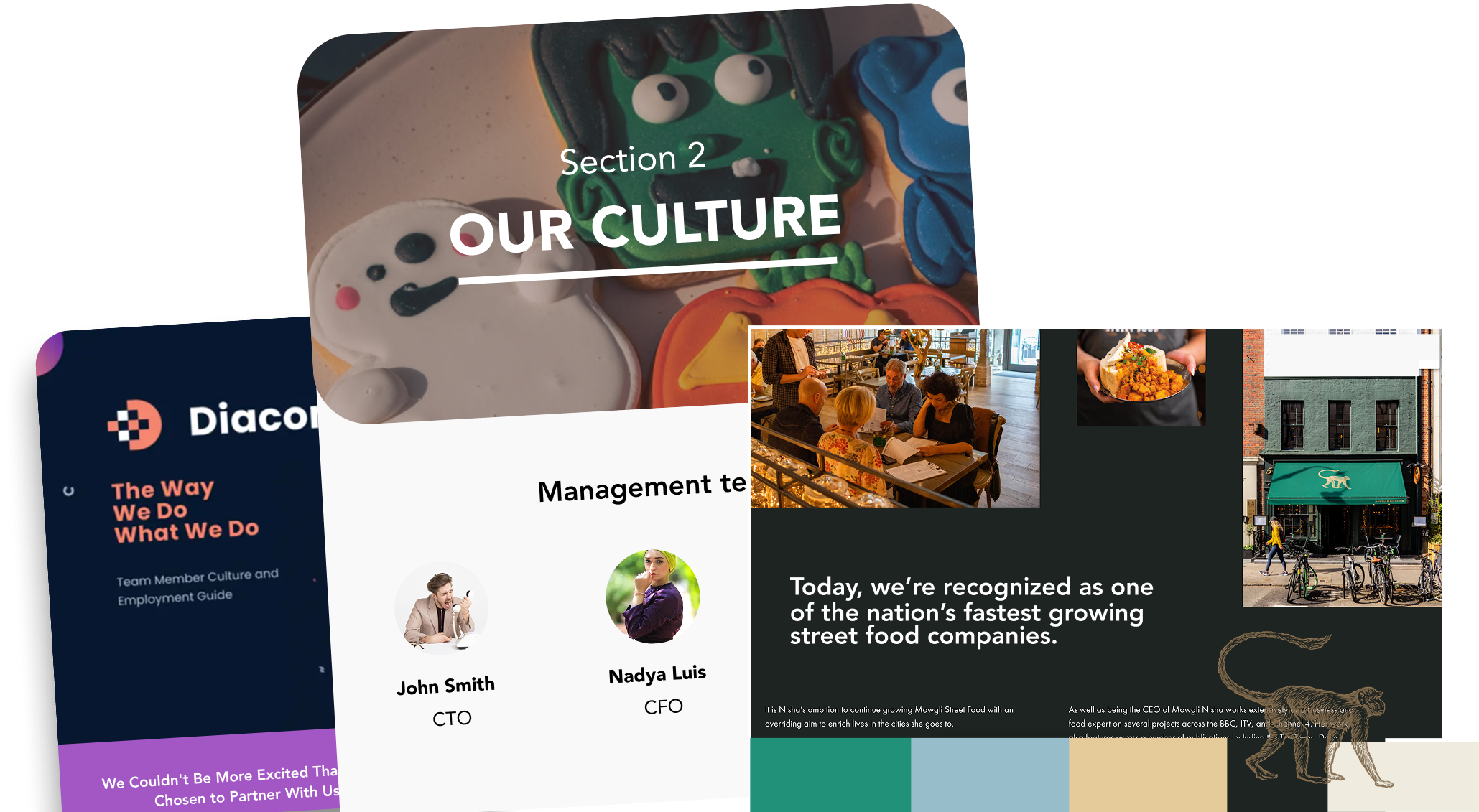
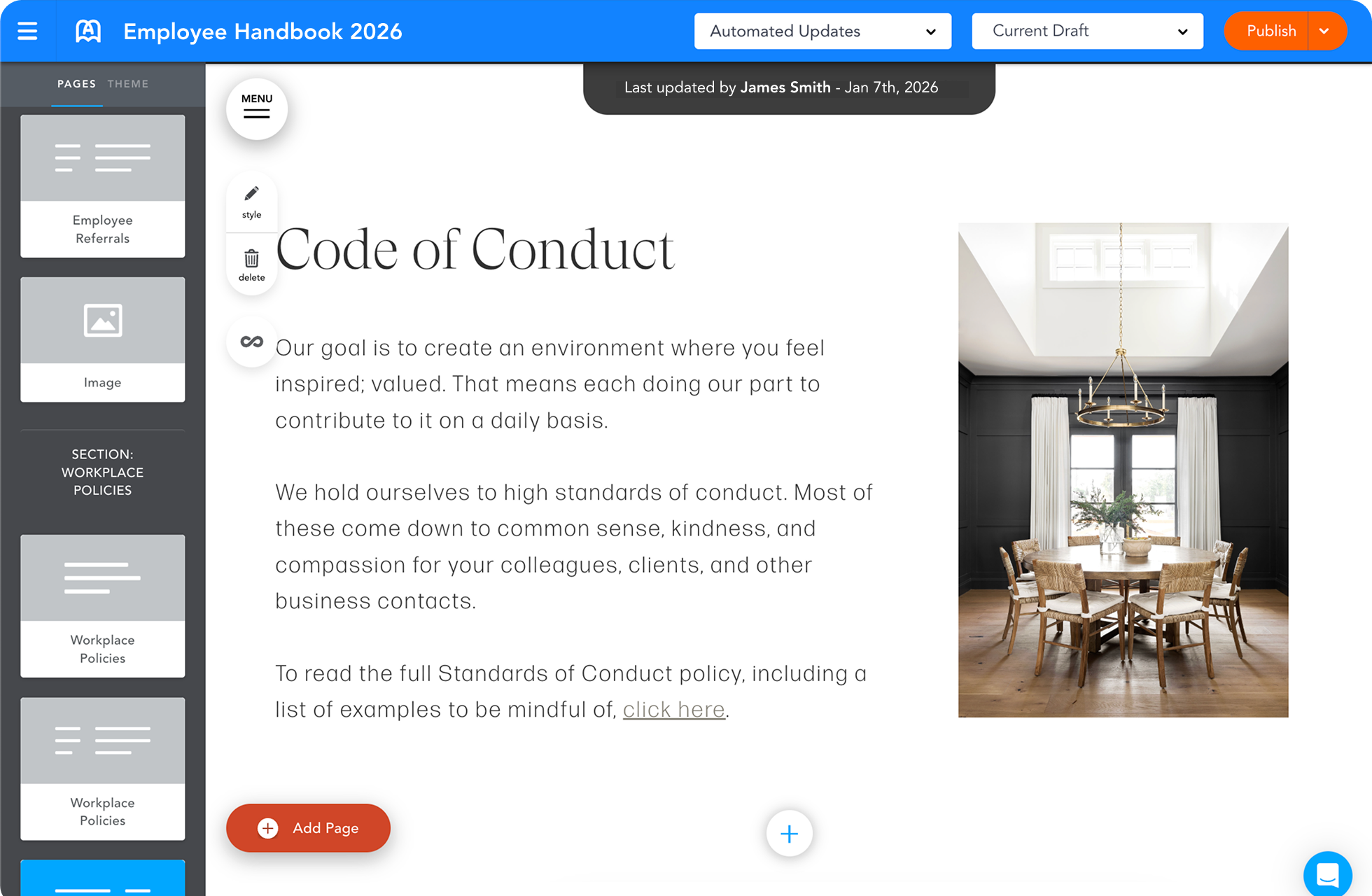
Gusto uses templates with limited customization. AirMason offers drag-and-drop editing, embedded videos, branded color schemes, custom layouts, and mobile-responsive design that makes your handbook feel like a real company document.
Engagement Analytics
Gusto tracks whether an employee acknowledged the handbook. AirMason shows you which sections they read, how long they spent on each, and where they dropped off. This data helps you write better policies.
Professional Design Services
AirMason has an in-house design team that will build or redesign your handbook from scratch. This is not something Gusto or any other HRIS offers. Your handbook ends up looking like something employees want to read.
How AirMason Integrates with Gusto
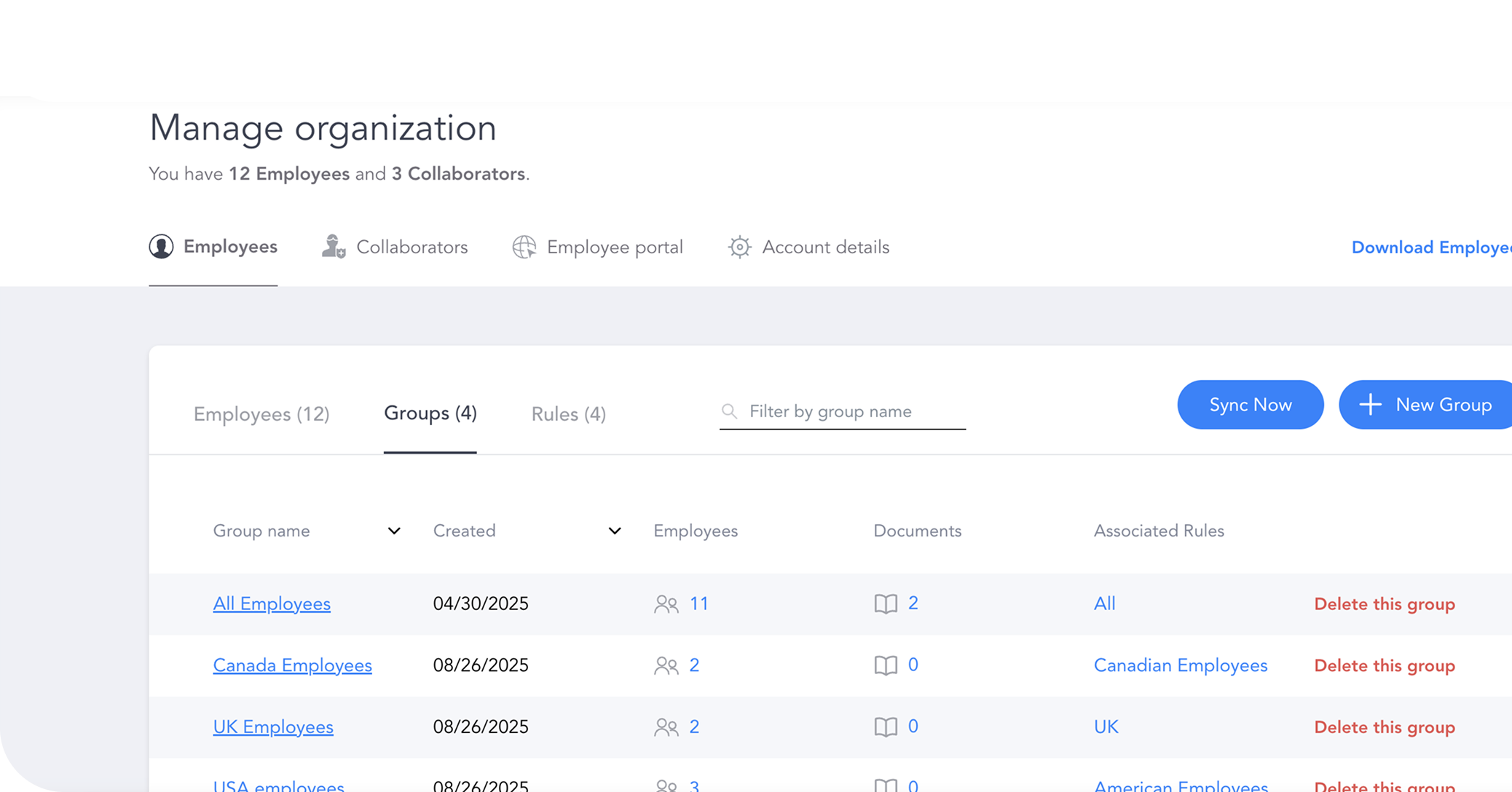
AirMason connects with Gusto to sync your employee directory and automate handbook distribution. When someone joins your team in Gusto, AirMason delivers the right handbook. When someone leaves, their access is removed. You manage employees in Gusto and handbooks in AirMason, and the two stay in sync.
This integration means you can keep using Gusto for payroll, benefits, and basic HR while using AirMason for the handbook experience. You do not have to choose between them. Gusto remains your operational HR platform, and AirMason becomes your dedicated handbook platform.
- ✓Automatic employee sync from Gusto to AirMason
- ✓Handbook delivery triggered by new hire events in Gusto
- ✓Location-based and role-based handbook assignment
- ✓Automatic access removal on employee termination
- ✓Works alongside Gusto's built-in handbook tools (use one or both)
- ✓No additional integration fees from AirMason
What You Get With Both
Gusto handles the broad HR stack. AirMason handles the handbook deep-dive.
| Feature | Gusto | AirMason | Together |
|---|---|---|---|
| Handbook builder | Template-based builder with state-level policies | Full drag-and-drop builder with custom design and branding | Start with Gusto templates, then upgrade to AirMason for full design control |
| Compliance monitoring | State-level policy templates | Federal, state, and city-level compliance alerts with update guidance | Gusto covers state basics; AirMason adds city-level depth and ongoing monitoring |
| Acknowledgment tracking | Basic handbook acknowledgment | Section-level read tracking with timestamps and e-signatures | Granular engagement data from AirMason linked to Gusto employee records |
| Design customization | Limited template customization | Full design control with videos, custom layouts, and professional design services | AirMason handles the design; Gusto handles the distribution trigger |
| Analytics and reporting | Basic completion tracking | Section-level read rates, time spent, drop-off points, and engagement trends | Payroll reports from Gusto, handbook engagement reports from AirMason |
| Multi-HRIS distribution | Gusto-only distribution | Distribute handbooks across any HRIS, not just Gusto | Useful for companies that outgrow Gusto or use multiple HR platforms |
Evaluating Gusto? Here Are the Alternatives
AirMason integrates with every major HRIS. If you are comparing Gusto to other platforms, here is how they stack up.







What the Industry Says About Gusto
Independent ratings from major review platforms
When to Go Beyond Gusto's Built-In Handbook Builder
Gusto's handbook builder works well for small businesses creating their first employee handbook. If you have a single location, fewer than 50 employees, and need basic state-level policies, Gusto's templates can get you started.
The limitations appear as your organization grows. When you operate in multiple states or cities with their own employment laws, Gusto's state-level templates may not cover the local requirements. When you want your handbook to reflect your brand with custom design, embedded video, and interactive elements, Gusto's template system is restrictive. When you need to know not just whether an employee signed off, but which sections they actually read, Gusto's analytics fall short.
AirMason is built for these needs. You do not have to abandon Gusto to use it. You keep Gusto for payroll and benefits, and add AirMason for the handbook experience your team deserves.
City-Level Compliance: The Gap Gusto's Handbook Does Not Cover
Gusto's handbook builder generates policies based on state-level employment law. This is a good foundation, but it misses a growing layer of regulation: city and county-level employment ordinances.
Cities like New York, San Francisco, Chicago, Seattle, and Los Angeles have their own requirements for paid sick leave, fair scheduling, pay transparency, anti-harassment training, and more. These requirements often go beyond what state law mandates. A handbook that only addresses state-level policies may leave your business exposed in these jurisdictions.
AirMason monitors legislative changes at all three levels: federal, state, and city. When a new ordinance passes in a city where you have employees, AirMason flags the affected handbook sections and provides guidance on what to update. For Gusto customers with employees in regulated cities, this is the compliance layer Gusto's handbook does not provide.
Handbook Design That Reflects Your Company Culture
A handbook is one of the first documents a new employee interacts with. It sets expectations, communicates culture, and establishes the employment relationship. The design and presentation of that document matters more than most HR teams realize.
Gusto's handbook builder produces functional documents, but they look like Gusto templates. Every company using the tool ends up with a similar-looking handbook. For businesses that invest in their employer brand, this is a missed opportunity.
AirMason gives you full control over your handbook's design. You can match your brand colors, add custom layouts, embed welcome videos from your CEO, include interactive elements, and create a mobile-responsive experience. AirMason also offers a professional design team that will build your handbook for you, turning a compliance document into something employees remember.
Using AirMason and Gusto's Handbook Tools Together
AirMason and Gusto's built-in handbook builder are not mutually exclusive. Some Gusto customers use the built-in tool for quick policy generation and then import that content into AirMason for design, distribution, and tracking. Others start fresh in AirMason and use Gusto solely for payroll and benefits.
The integration between the two platforms keeps employee data in sync regardless of which approach you choose. Gusto remains your system of record for employee information, and AirMason uses that data to ensure the right people get the right handbook at the right time.
For companies planning to scale beyond Gusto eventually, AirMason provides additional flexibility. Because AirMason integrates with all major HRIS platforms, your handbook setup moves with you regardless of which HR system you choose next. Your compliance history, acknowledgment records, and handbook content are preserved even if your HRIS changes.
Frequently Asked Questions
See AirMason + Gusto in Action
Expert-curated handbooks, seamless HRIS integration, compliance that stays current.